About The Book
“A World Without Boundaries is a deeply moving insider account of the Hmong people’s struggle for survival amid war, displacement, and loss during the post-colonial era in Southeast Asia.
Drawing from lived experience, Ge Xiong chronicles the devastating impact of the Vietnam War and its aftermath on Hmong communities in northern Laos. More than a century after fleeing persecution in southern China, the Hmong once again found themselves trapped—this time in a prolonged civil war and a covert alliance with the United States during the Cold War. The consequences were catastrophic: shattered livelihoods, mass displacement, starvation, massacres, and a future suspended in uncertainty.
Through vivid and haunting detail, Xiong exposes a “secret world” shaped by violence, corruption, and deep social inequalities across ethnicity, gender, and class. Yet this is not only a story of human atrocities and despair. It is also a testament to love, sacrifice, resilience, and the enduring human will to survive and rebuild after losing everything.
At its core, A World Without Boundaries challenges the idea of a world without borders—revealing how man-made boundaries, political conflicts, and global interconnections can render vulnerable communities even more exposed. Written with honesty and moral clarity, this book gives voice to a people whose suffering has long remained overlooked and invites readers to bear witness to their history, humanity, and hope.
“

Book Trailer
Despair
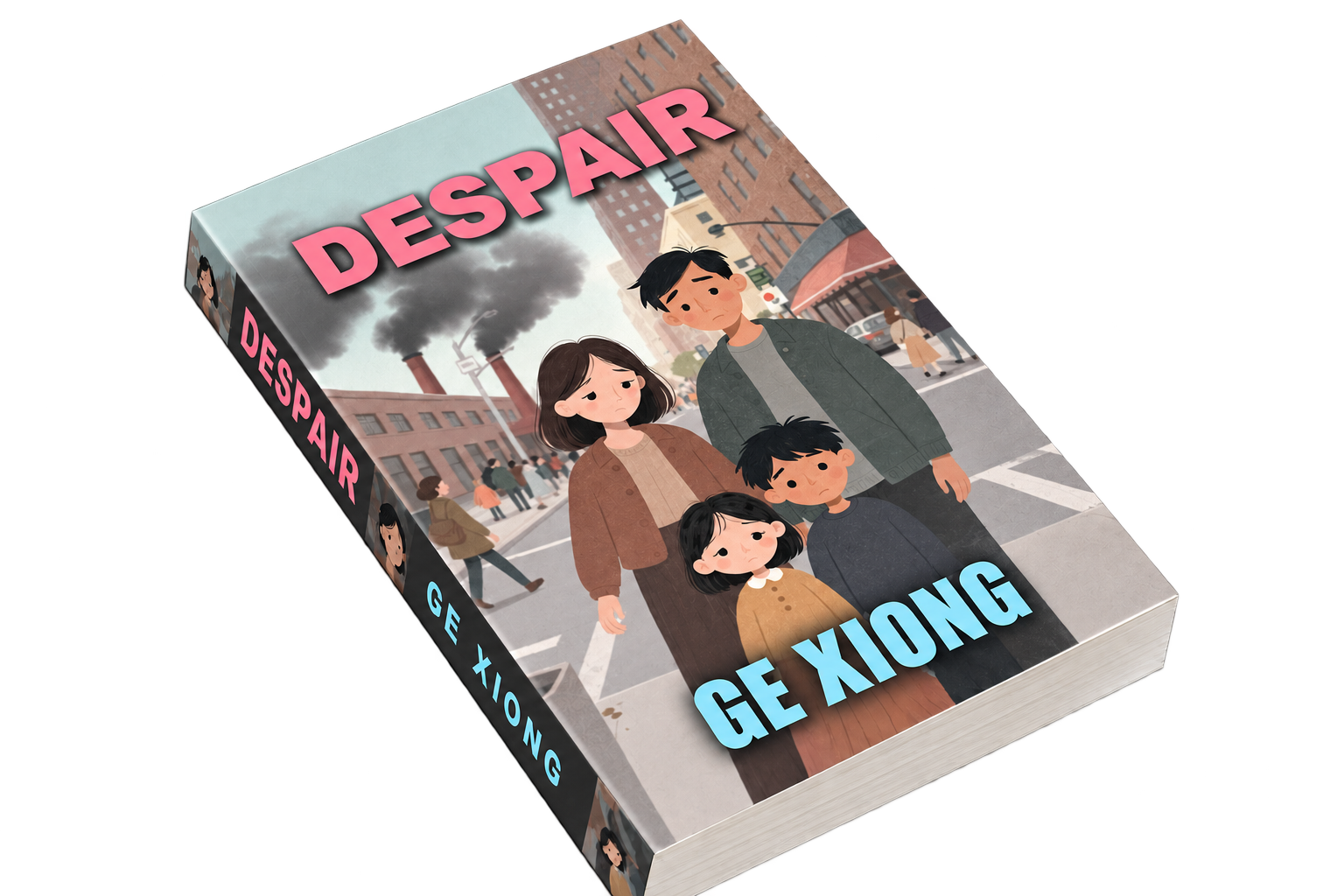
In Despair, Ge Xiong chronicles the turbulent journey of Hmong refugees who resettled in America after the Vietnam War, where factory jobs became their fragile lifelines amid economic instability. From the collapse of Illinois’ once-thriving Hmong community to his move to Milwaukee, Wisconsin, Xiong exposes the harsh realities of racial segregation, poverty, and systemic barriers that shaped refugee lives and limited their choices.
The narrative follows the community’s pursuit of the American dream through poultry farming across Arkansas, Missouri, and Oklahoma, an ambition often met with devastating financial loss. Blending personal experience with social observation, Xiong also examines the cultural shifts within Hmong American identity in the age of social media, ultimately questioning whether deeper human connection and collective awareness can emerge beyond division and digital echo chambers.
